
Technical capability / FEA
Start with the question.
Then define the analysis.
Finite element analysis is one of our Oklahoma City engineering capabilities. Discuss the asset, the concern, and the decision the analysis needs to support.
Discuss your engineering needs ↗Finite element analysis
More than a model.
A clearly defined scope.
Before commissioning an analysis, align the engineering question, source information, assumptions, and intended deliverable with the responsible engineer.
For a tank inquiry, identify the component of concern, the measured condition, and the proposed operating or project decision. Dunham can then discuss whether its FEA capability fits the engagement.
Questions to resolve before starting
- Which tank or component is being evaluated?
- What drawings, material records, and measurements are available?
- Which operating conditions and loads need consideration?
- What criteria and applicable requirements will govern the evaluation?
- What conclusions and documentation does the owner need?
Technical questions
Know what you are asking the analysis to do.
Can I request an evaluation of a specific tank component?
Identify the shell, bottom, roof, nozzle, support, or other component involved. Our team will confirm the appropriate analysis scope for your inquiry.
Does an FEA automatically establish acceptability?
No automatic acceptance or exemption is represented. The responsible engineer must establish the appropriate evaluation basis and interpret the results for the defined scope.
Project examples
Engineering in practice.
Illustrative project examples. Watermarked content awaits approved company case studies.
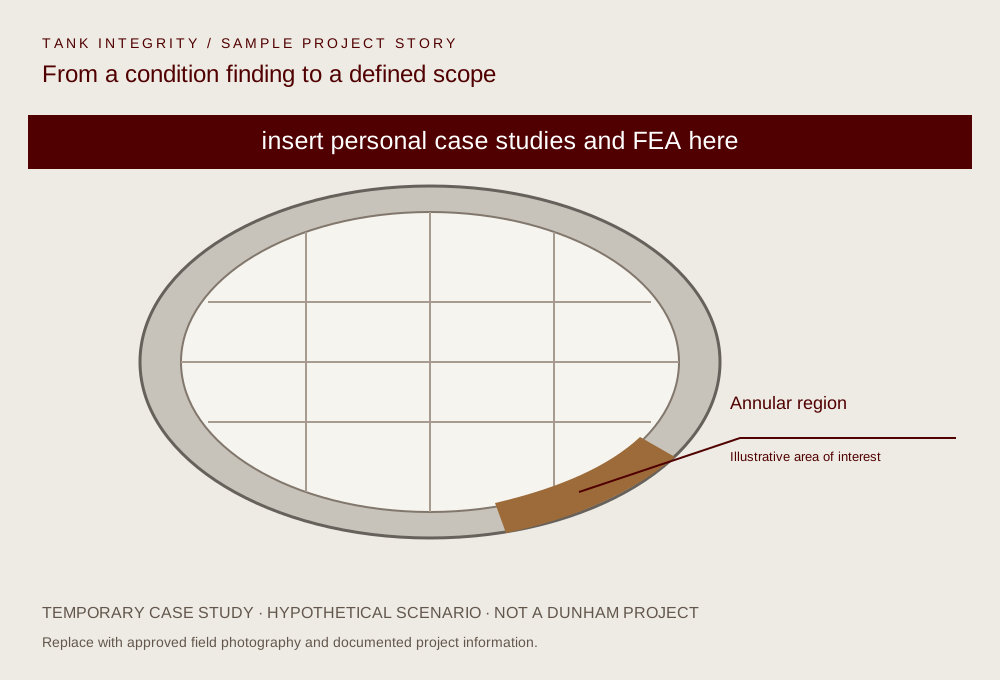
Tank integrity / case study
Turning a tank condition finding into a focused project scope.
Illustrative scenario: a fuel storage tank condition concern and the engineering scope needed to evaluate it.
View example ↗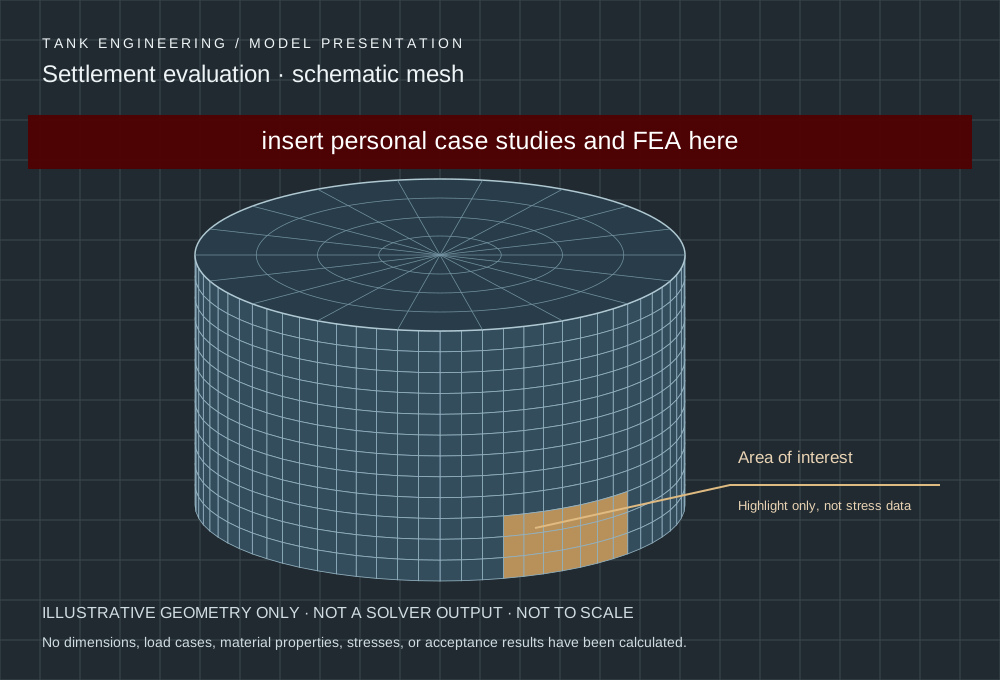
Advanced analysis / FEA
Evaluating the engineering significance of tank settlement.
Illustrative scenario: evaluating a settlement concern using a defined engineering scope.
View example ↗